
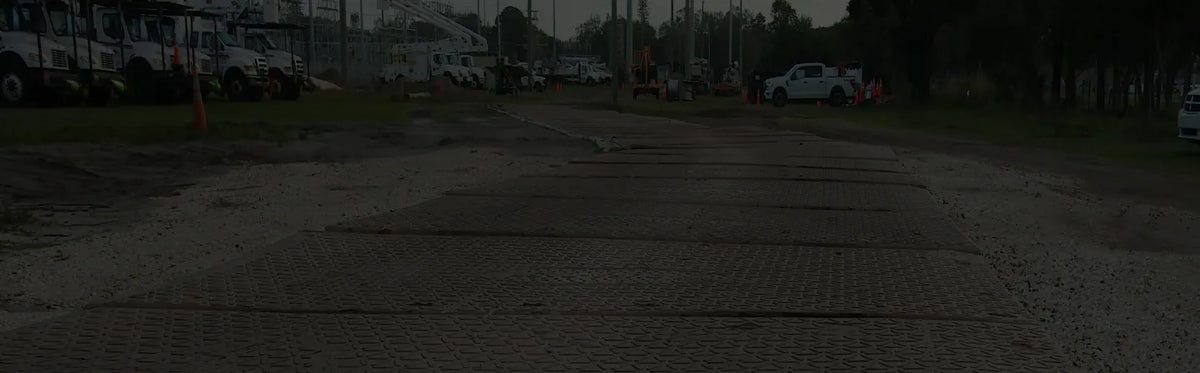
Horse Stall Mats
Wet shavings, urine-soaked subfloors, sore joints from hours on concrete: every barn owner knows the toll an unprotected stall takes on both the animal and the facility. PrimaMat horse stall mats solve all three problems at once with a firm, cushioned, slip-resistant surface that protects your horses' legs, simplifies daily mucking, and shields the subfloor from moisture damage. Engineered for working barns and high-end show facilities alike, our horse stall mats install in hours and outlast traditional rubber by years.
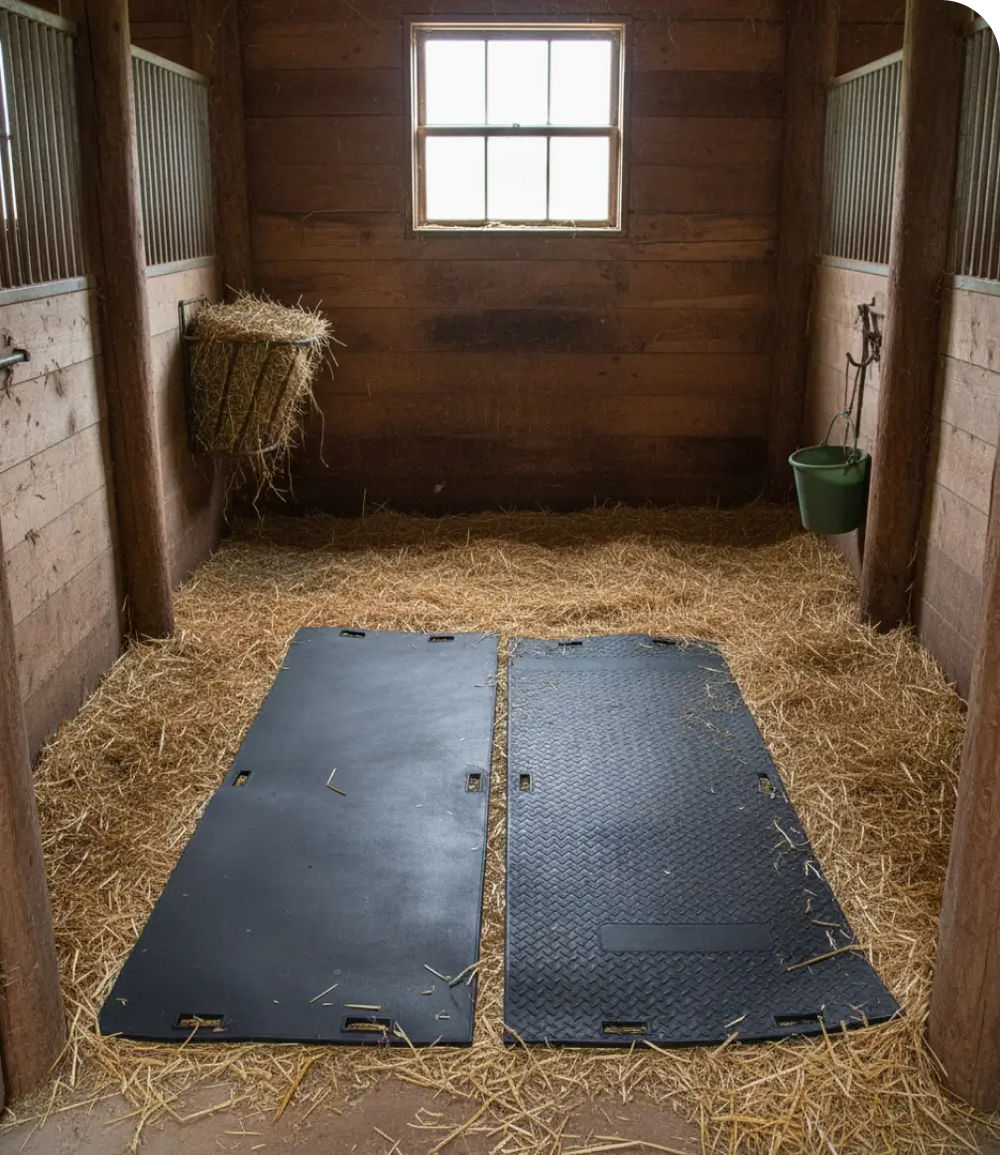
Built to Take a Beating From Hooves, Hay, and Hydration
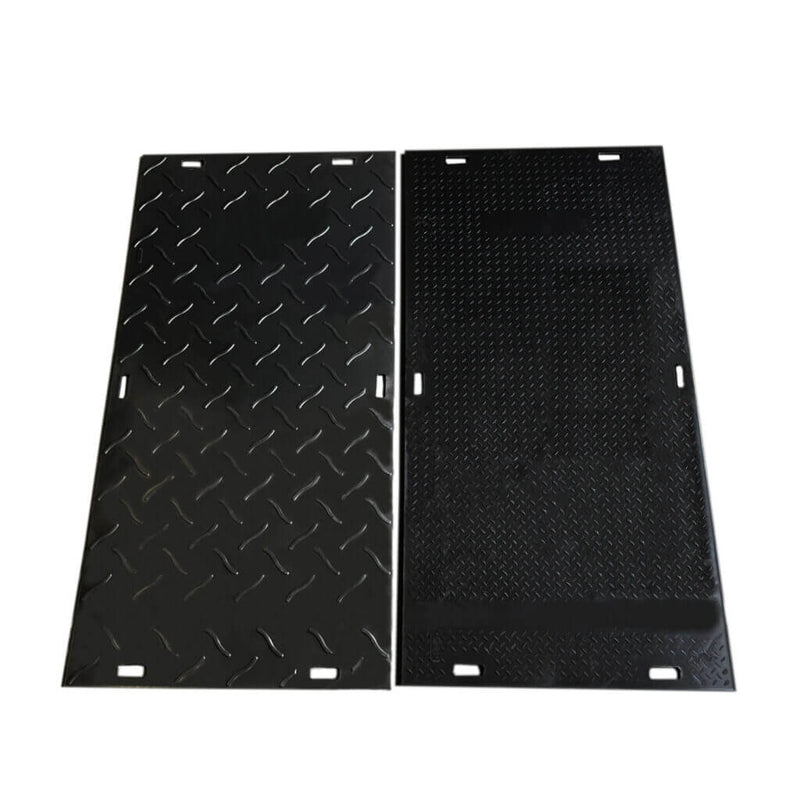
We make our horse mats from 100% recycled HDPE, a non-absorbent polymer that won't soak up urine, harbor bacteria, or rot the way rubber and wood subflooring eventually do. The surface stays sanitary with a quick rinse and shrugs off ammonia, disinfectants, and the constant pounding of shod hooves. Each panel locks to the next with our steel connector system, creating a seamless floor that won't shift, gap, or trap bedding underneath. When it's time to deep-clean, pull the mats up, hose them down, and snap them back in place.
Ground Protection Mat Calculator
Use the calculator to enter your site’s length and width in feet. Select the mat size you intend to use. The tool will return your estimated mat quantity based on total square footage and layout configuration.

Enter your area, mat type and yearly plywood spend to see your numbers.
- Plywood (cumulative)
- PrimaMat (one-time)
- Your savings
View as table
| Year | Plywood | PrimaMat | Savings |
|---|
Estimate only. Assumes your PrimaMat mats are reused for the whole period (customers like Baun Landscapes still use 8-year-old mats). Excludes taxes, shipping and connectors.
Who Uses PrimaMat Horse Mats
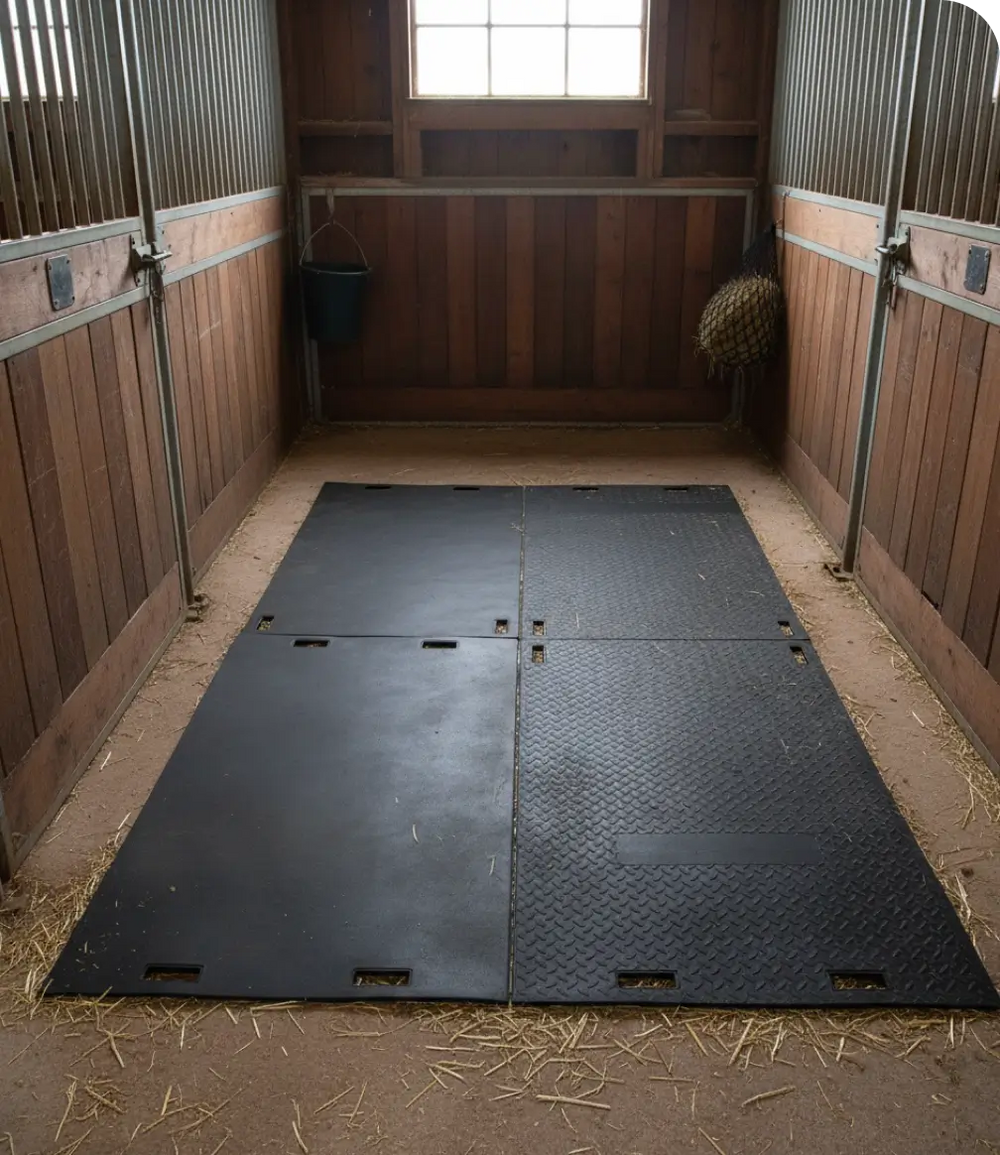
PrimaMat horse mats serve a wide range of equine facilities where comfort, hygiene, and durability all need to be solved at once. The right configuration depends on whether you're outfitting a single private stall, a full boarding operation, a high-traffic muddy paddock, or a temporary stabling setup for shows and events.
Private Barns and Boarding Facilities
Stall mats reduce bedding consumption, cushion joints, and extend the working life of the subfloor underneath. PrimaMat panels stay flat without creeping toward the stall door, so you don't waste labor repositioning them every week.
Show Grounds and Event Stabling
Rodeos, horse shows, and traveling equestrian events need temporary stall flooring that can be deployed in minutes and packed out cleanly when the event ends. Our portable horse mats install without anchoring or site prep, making them practical for fairgrounds, expo centers, and rented venues.
Gates, Run-Ins, and High-Traffic Mud Zones
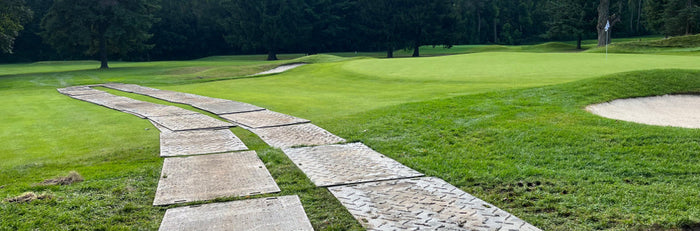
Around water troughs, gate openings, and run-in shelters, the ground gets churned into bottomless mud every spring. Horse mud mats stabilize these heavy-traffic zones, prevent hoof loss in deep muck, and stop the daily wear that turns turnout areas into impassable pits.
Training Facilities and Veterinary Clinics
Wash stalls, grooming bays, and equine medical floors all demand a non-slip, easy-to-sanitize surface. PrimaMat panels hold traction even when wet and clean down to a sanitary finish with standard barn disinfectants.
Why HDPE Outperforms Rubber and Concrete in the Stall
Traditional rubber stall mats absorb urine, harbor odor, and curl at the edges within a few seasons. Bare concrete is hard on joints and unforgiving when a horse goes down. PrimaMat horse stall mats solve both problems because the HDPE:
- Won't absorb moisture or odor: Urine and water bead off the surface instead of soaking in, so the mats stay sanitary and the subfloor stays dry.
- Cushions without compressing: The panel structure flexes underfoot to reduce joint strain, but it springs back to shape rather than developing permanent dents.
- Stays put under a 1,200-pound horse: Steel connectors keep panels locked together so they don't slide, gap, or pop up when a horse paws or rolls.
- Lasts well over a decade: Recycled HDPE is UV-stable and chemically inert, so the mats outlast multiple generations of rubber replacements.
Horse Stall Mats Available in Multiple Sizes
PrimaMat offers horse stall mats in configurations that fit standard barn dimensions and custom layouts:
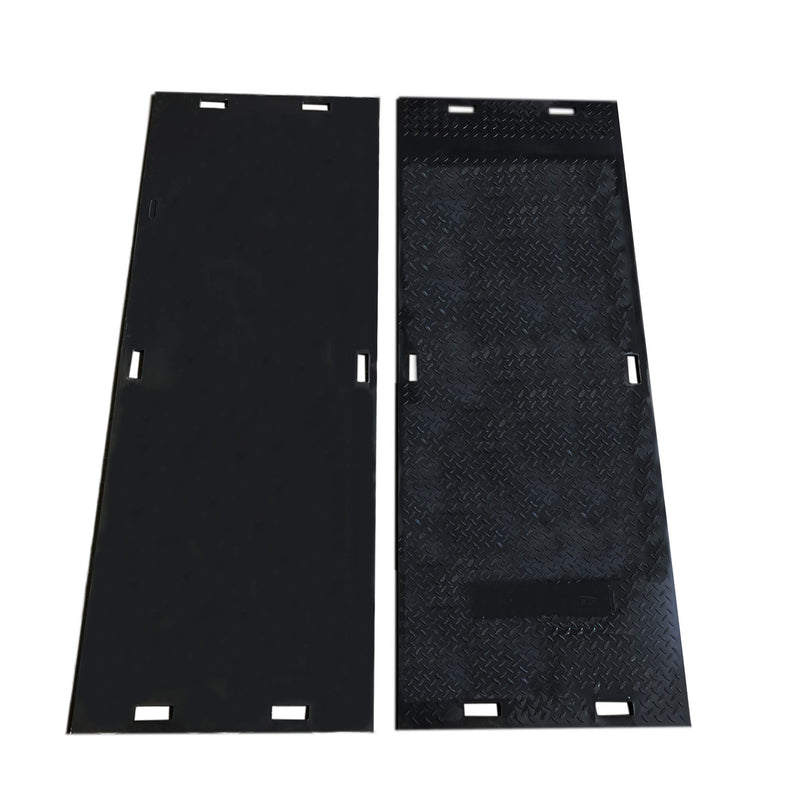
- 3' x 8' Mats: Easy for one person to handle, ideal for filling out a 12x12 stall with minimal cutting or for lining narrow grooming aisles.
- 4' x 8' Mats: The most efficient option for standard stalls, paddock gates, and run-in shelters. Fewer panels mean fewer seams.
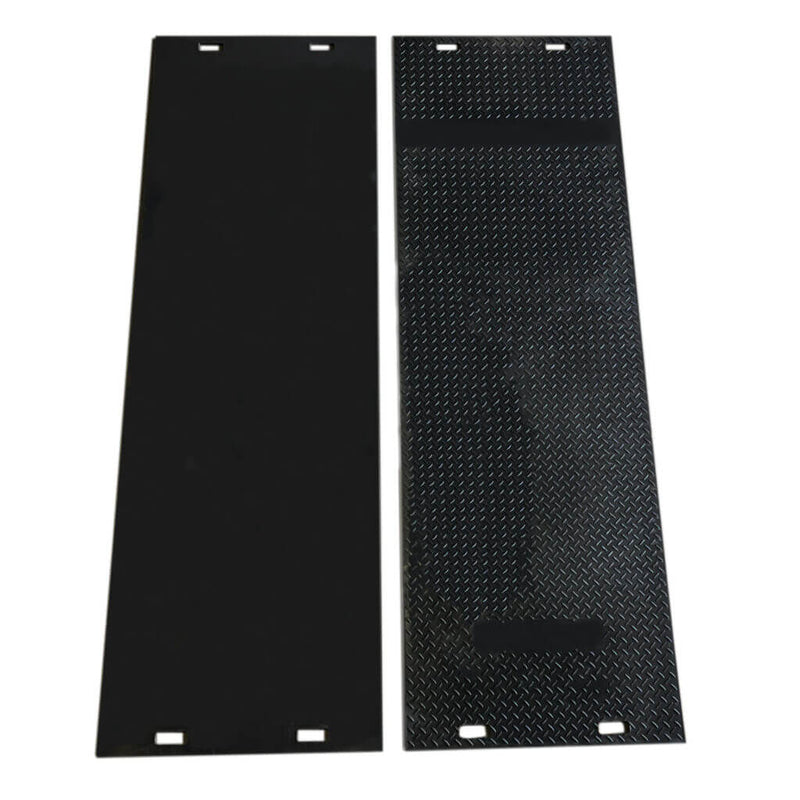
- 40" x 10' Track Mats: Designed for trailer load areas, equipment lanes, and long approaches to barns and paddocks.
Every PrimaMat panel includes integrated handles for easier carrying, and our horse mats for stalls lock together with steel hardware that holds firm under hoof traffic, even on uneven subfloors.
Get a Quote for Horse Stall Mats
Tell us the size of your stalls, how many you need to outfit, and your installation timeline, and we'll send back pricing and availability the same day.
Frequently Asked Questions
How thick should horse stall mats be?
Most rubber stall mats run between 3/4" and 1" thick because they rely on raw mass for cushioning and stability. HDPE panels work differently. The interlocked structure and flex of the material deliver joint support and load distribution at a lower thickness, which means fewer transition lips at the stall doorway and less risk of a horse catching a shoe on an edge. For most barn applications, our standard panels are the correct specification without needing to layer or build up the floor.
Do I need to prep the subfloor before installing horse mats?
PrimaMat panels install over packed dirt, gravel, stone dust, concrete, or asphalt, so heavy site prep is rarely necessary. The one consistent recommendation is that the surface should be level and reasonably compacted, since soft spots or sharp grade changes can create flex points that wear faster over time. For new construction, the American Association of Equine Practitioners publishes general guidance on stall flooring conditions worth reviewing before you build out a barn from scratch.
Can horse mud mats really fix a churned-up paddock gate?
Yes, with one caveat. Mats work by spreading load across a wider footprint so hooves stop punching down into saturated soil, which breaks the mud cycle and lets the ground underneath dry out and firm up. The caveat is drainage. If standing water has nowhere to go, mats alone won't solve the problem. Most customers see dramatic improvement within a few weeks once the surface stabilizes, especially around gates, water troughs, and run-in entrances where traffic is concentrated.
Related Articles
-
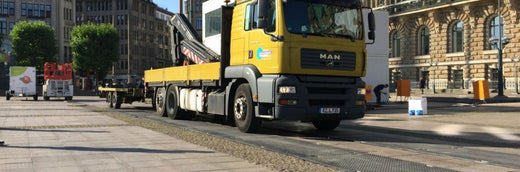 How to Select the Best Ground Protection MatsDiscover important considerations for choosing the right mat for your application.Read article →
-
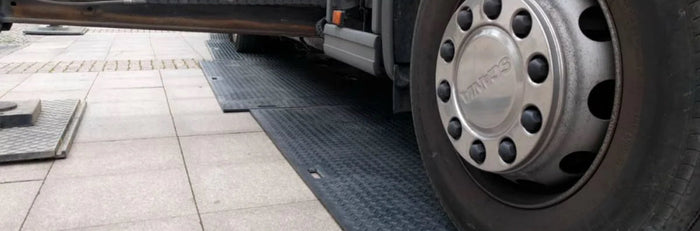 Ground Protection Mat Capabilities: The Ultimate Guide to Durable SolutionsExplore the many rugged applications for our ground protection mats.Read article →
-
 7 Reasons to Use Ground Protection Mats in High-Traffic AreasSee how our ground protection mats can make a difference in your high-traffic setting.Read article →
